Sustainable Content Strategies for Modern Growth
What worked in 2024 may underperform today, making flexibility a core proficiency for material groups. Premium material and site performance metrics greatly affect rankings, however understanding which particular components to optimize makes the difference between scattered efforts and tactical wins.
Browse engines reward thorough protection that shows competence. Thin content with surface-level insights gets buried, while detailed guides that address associated concerns beyond the initial question gain exposure. Originality matters too. Rehashing existing content without adding new perspectives or information provides little worth. is no longer optional. With mobile-first indexing, search engines examine your site mainly through its mobile experience.
A desktop-optimized website that fails on mobile will struggle regardless of content quality. Every second of delay increases bounce rates and signals bad user experience to search algorithms.
For SaaS content, this means demonstrating market knowledge through in-depth case studies, pointing out reputable sources, and showcasing author credentials. Browse engines search for signals that your content originates from knowledgeable sources, not generic content mills. consists of semantic SEO practices that assist algorithms comprehend your material context. Use structured information markup, produce clear topical hierarchies, and write for natural language questions.
supports all other efforts. Proper indexing, tidy URL structures, XML sitemaps, and tactical internal connecting help browse engines crawl and comprehend your website architecture. CMS features for SaaS material teams ought to consist of built-in technical SEO capabilities to simplify optimization. Pro Idea: Use a content management list to guarantee you resolve all important ranking elements methodically rather than relying on memory. Audit your existing content to identify which locations require instant attention, then build a roadmap that deals with high-impact improvements initially. Understanding how ranking factors evolved helps you designate resources effectively. AI-enhanced metrics enhance traditional SEO elements by adding much deeper material understanding, however standard signals still matter. Aspect classification Conventional SEO method AI-enhanced approach Keyword optimization Precise match keywords, density targets Semantic relevance, natural language, intent matching Material assessment Word count, keyword placement Subject comprehensiveness, entity recognition, context understanding Link analysis Backlink amount, anchor text Link quality, topical authority, relationship networks User signals Click-through rates, time on page Engagement depth, complete satisfaction indicators, job completion Technical factors Crawlability, indexing, website speed Structured data, schema markup, API accessibility Conventional SEO focused greatly on keyword placement and backlink acquisition.
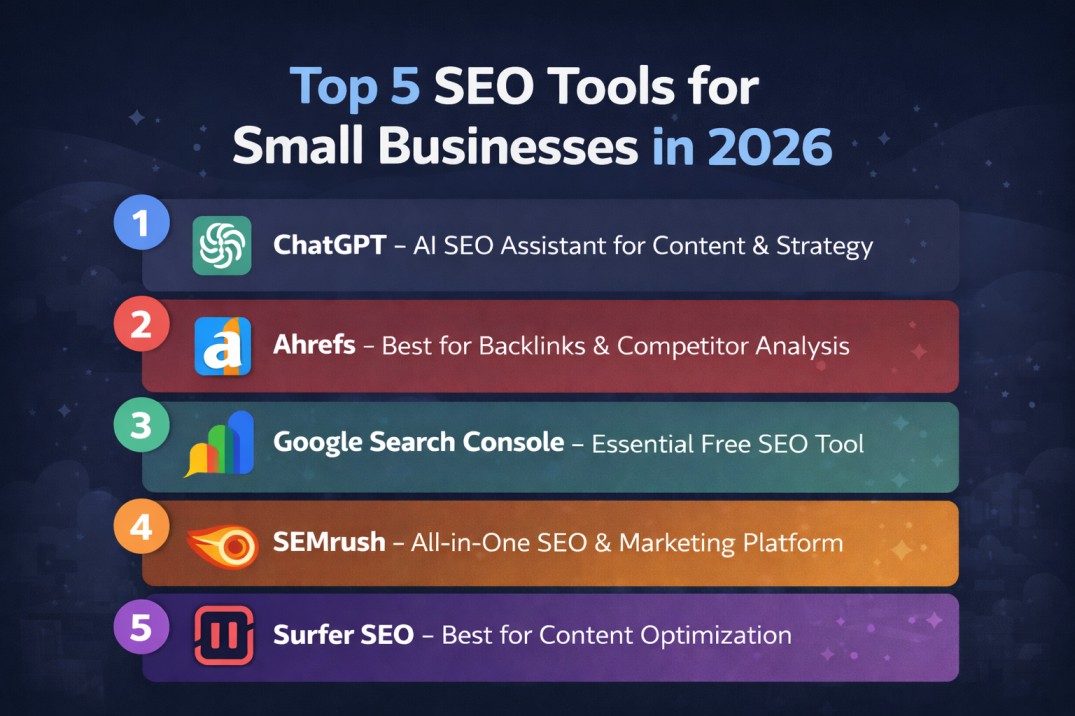
Top Business Automation Tools for Organic ROI
This method worked when algorithms relied mostly on text matching and link counting. AI metrics evaluate content semantically, understanding subjects beyond private keywords. Search engines now recognize that "auto" and "car" represent the very same concept, and they evaluate whether your material covers associated subtopics adequately. This shift rewards comprehensive, well-researched content over keyword-stuffed pages.
Conventional metrics like bounce rate still matter, but AI systems now interpret these signals in context. Neglecting standard SEO principles like appropriate indexing and mobile optimization weakens AI-enhanced material.

The essential distinction depends on how you create material. Conventional SEO encouraged composing for search engines initially, users 2nd. AI-enhanced ranking benefits content developed for users, then enhanced for discoverability. This philosophical shift modifications whatever from research study to writing to promotion. When preparing new material, think about both traditional signals (keywords, links, technical structure) and AI elements (semantic depth, intent fulfillment, engagement quality).
Understanding ranking aspects matters little bit without execution. SaaS content strategists require practical workflows that translate insights into enhanced search presence and AI integration. Which ranking factors correlate with success?
GSA SER explainedFocus first on pages with high traffic potential however existing ranking weak points. Update outdated stats, expand thin areas, enhance page speed, and enhance mobile experience.
How AI-Powered Marketing Drives Sustainable Success
This combination makes sure brand-new content performs well throughout all ranking dimensions. Consistent material updates and analytics monitoring enhance SEO effect gradually. Track rankings, traffic, and engagement weekly. When algorithm updates occur, evaluate performance shifts to comprehend which aspects altered in value. Don't blindly follow best practices. Run A/B tests on various optimization approaches to see what works for your specific audience and industry.